
2025-11-26
To promote cultural roots in the community and foster dialogue between traditional heritage and modern life, the Cultural Affairs Bureau held a lecture yesterday at the Macao Museum of Art titled “Finding the Meaning of Life in Temple Culture.” The event aimed to bring culture closer to the public. Mr. Yi Yang Fengsui, a Daoist culture researcher from Fengsui Hall, was invited as the keynote speaker. With a relaxed and humorous approach, he explored topics such as the purpose of worship, distinctions between Buddhism and Daoism, spiritual cultivation within temple rituals, and regional fortune influences. Through sharing and interactive Q&A, the talk guided participants to reflect on the joys and meaning of life, attracting over a hundred attendees.
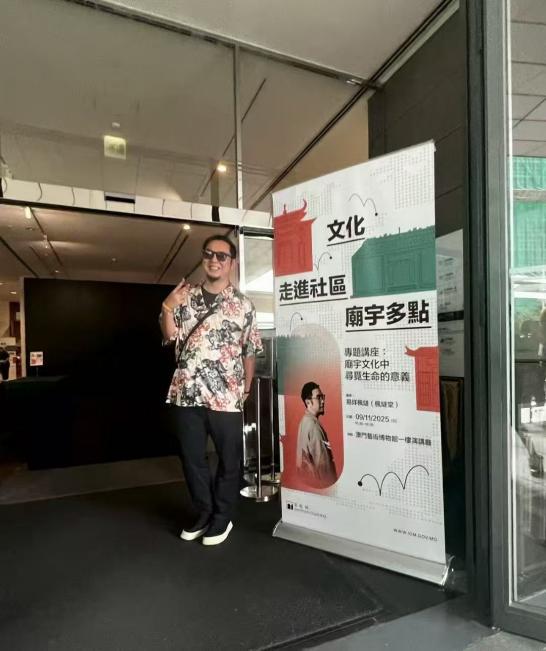
During the main lecture, Fengsui explained daily worship practices by using the act of lighting incense as an example. He noted that incense smoke represents qi—a medium connecting humans with deities and spirits—carrying one’s intentions and respect rather than functioning as a mere offering. He emphasized that sincerity and respect are the heart of worship, not complicated rituals.
He further highlighted that the true purpose of praying or divination is to express gratitude for divine care and to seek inner peace, rather than pursuing material gains such as promotion or wealth.
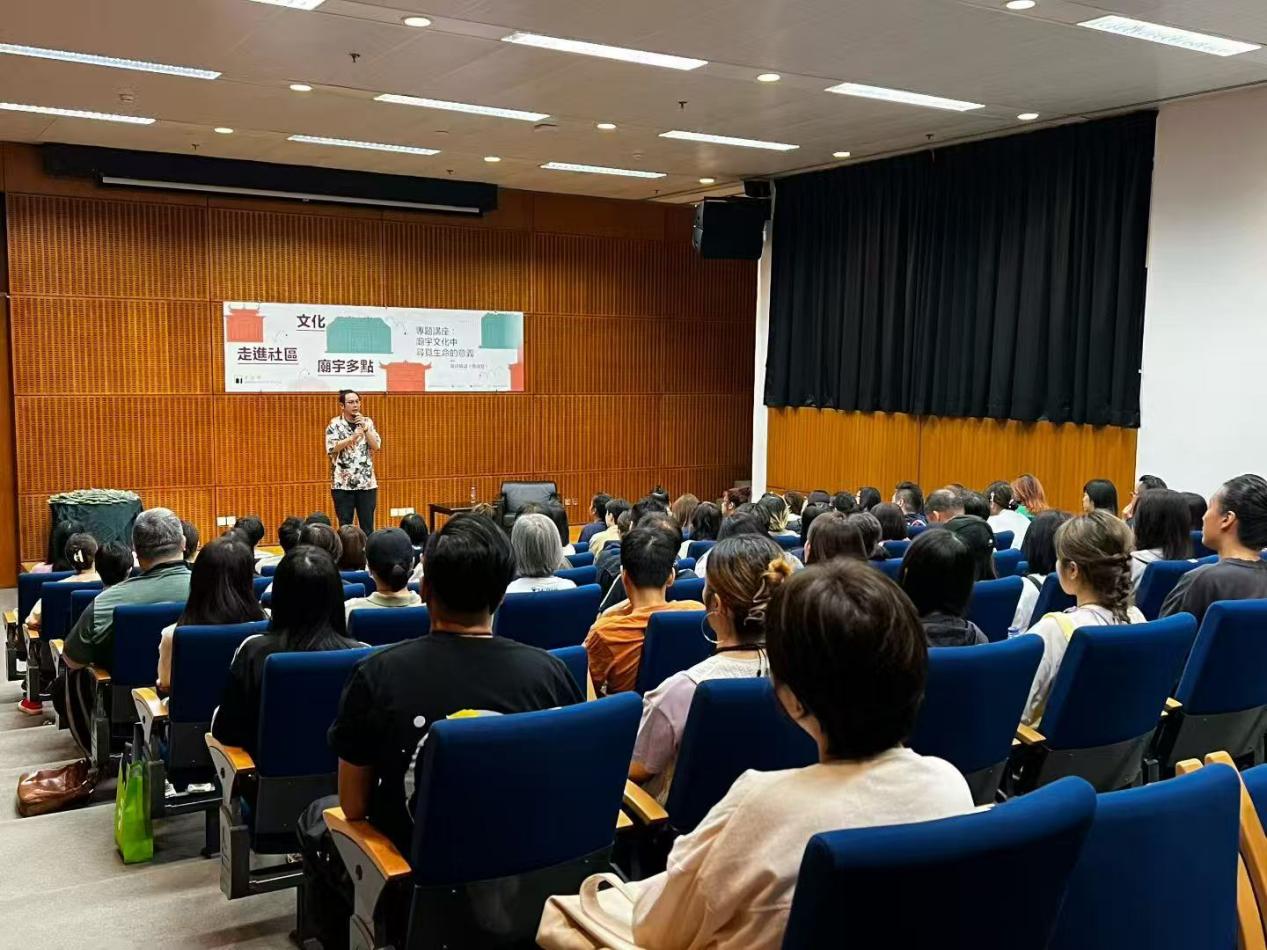
Fengsui also clarified the differences between Buddhism and Daoism with concise examples—for instance, comparing the Shaolin Temple and the Nezha Temple to distinguish between a “temple” (si) and a “Daoist shrine” (guan). He further elaborated on differences in architecture, color symbolism, clothing, and etiquette: Buddhists typically place palms together, while Daoist priests use the “gongshou” gesture. Through these explanations, he conveyed the core message of fostering basic understanding and cultural respect for different belief systems.
Drawing from various aspects of temple culture, Fengsui communicated a central insight: the essential pursuits and meaning of life lie in happiness, freedom, and embracing the beauty of the present moment. Temple culture serves as a tool to support these pursuits, not an ultimate goal. He added that a person’s sense of well-being stems from maintaining reverence for heaven and earth, which includes:
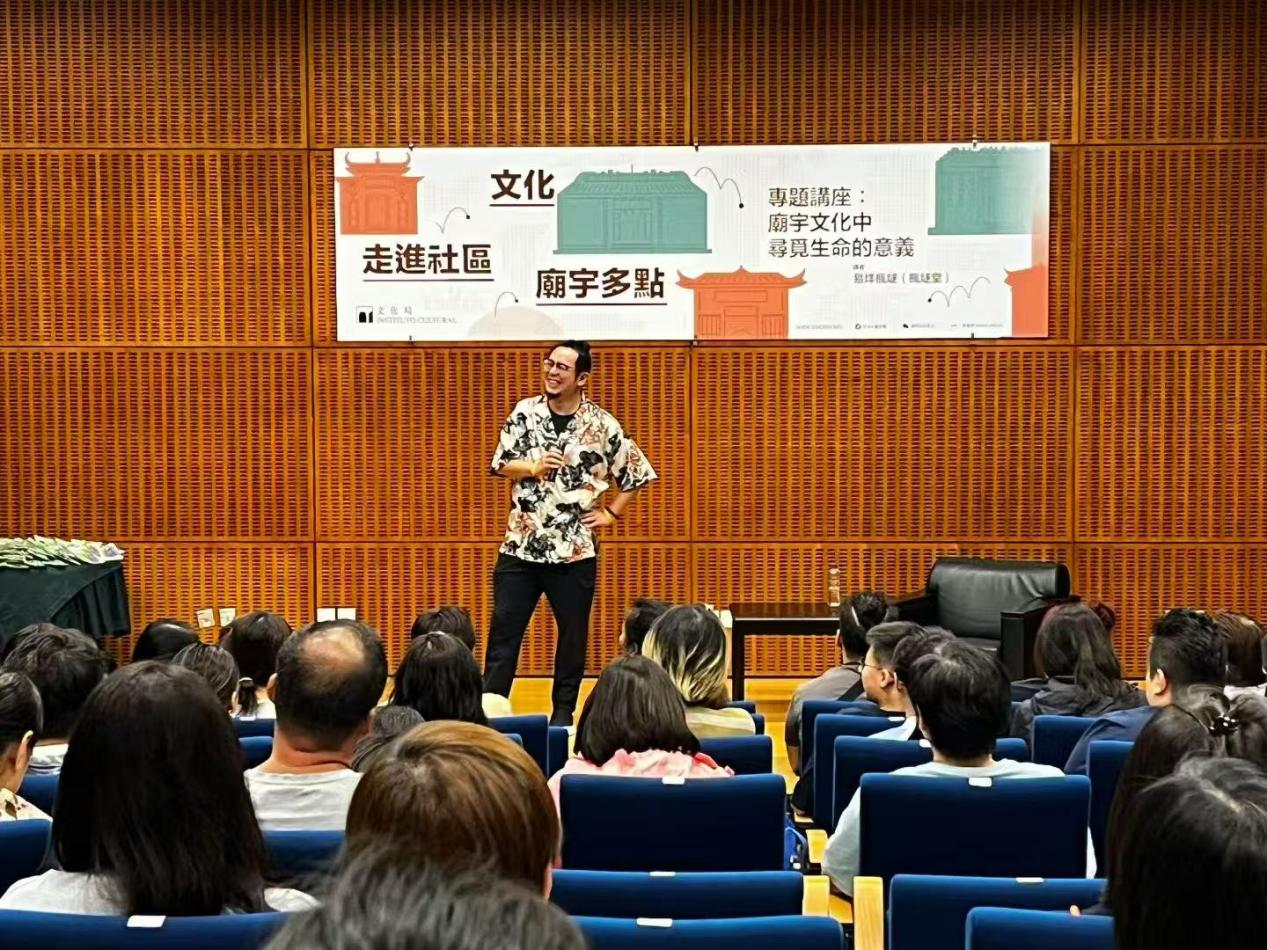
The final segment featured an interactive Q&A, where the audience enthusiastically raised questions—from personal concerns to inquiries about regional fortune. With humor and clarity, Fengsui addressed each question, filling the venue with laughter and applause. The exchange not only strengthened the community’s connection to local culture but also provided participants with spiritual inspiration and reflection.
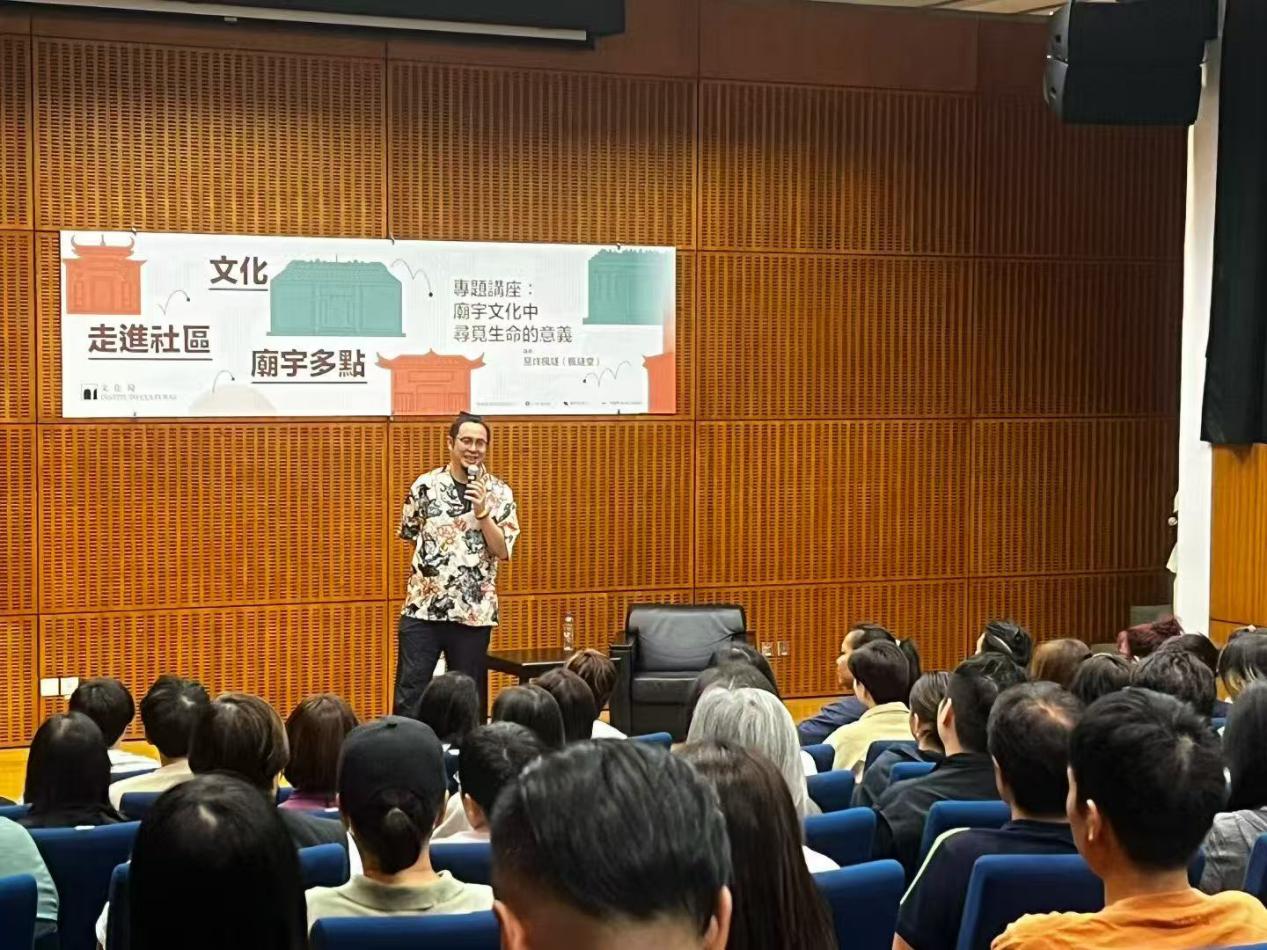
The one-hour lecture, filled with vivid insights, revitalized temple culture and demonstrated how philosophy can be integrated into everyday life, injecting positive energy into the community. As Fengsui concluded, “The meaning of life is not found in the distant horizon—it lies in every bow and every moment of reflection.” Staff from the Cultural Affairs Bureau stated that the event successfully achieved its objectives, and similar programs will continue to be organized to deepen cultural education within the community.
Kebakaran Paseban Jakpus di Gang Sempit: Lansia Digendong Keluar Rumah, Ada yang Nekat Lompat
Menhan Dong Jun: Indonesia dan China Akan Gagalkan Niat Jahat Kekuatan Asing
Potret Gaya Komunikasi Jokowi
"Lari Aja, Pakai Sandal atau Enggak, Enggak Tahu", Warga Panik Selamatkan Diri Saat Kebakaran Paseban
KPK Juga Tangkap 2 Wakil Rektor Unsoed dalam OTT Rektor
Menhan Sjafrie Sebut Kerja Sama dengan China Langkah Maju di Era Pembangunan dan Masa Depan
©hak cipta2009-2020 Berita Hansen Mobile Games
